
If you've ever found yourself staring into the fridge at 6 p.m., too exhausted to figure out dinner, you're not alone.
One of the first things to go when we're burned out is nutrition. We skip meals, rely on caffeine, grab whatever is convenient, and tell ourselves we'll do better tomorrow.
The problem is that burnout and poor nutrition create a vicious cycle. The more stressed and depleted we become, the harder it is to make nourishing choices. And the harder it becomes to nourish ourselves, the worse our energy, mood, sleep, and resilience often get.
For women in their 40s, 50s, and beyond, there's another layer to consider: perimenopause and menopause.
This isn't about dieting. It isn't about cutting carbs, detoxes, or whatever wellness trend TikTok is selling this week.
It's about understanding what your body actually needs during periods of chronic stress.
Let's Talk About Cortisol
Cortisol is often called the "stress hormone," but that's only part of the story.
Cortisol helps regulate blood sugar, metabolism, inflammation, blood pressure, and your sleep-wake cycle. It's essential for life.
The issue isn't cortisol itself. The issue is chronic stress.
When we're under prolonged pressure - whether from work, caregiving, financial concerns, health challenges, or simply trying to keep all the plates spinning - our bodies spend more time in a heightened stress state.
Many women experiencing burnout report symptoms such as:
Fatigue despite sleeping
Increased cravings for sugar or highly processed foods
Difficulty concentrating
Poor recovery from exercise
Mood changes
Disrupted sleep
While cortisol is only one piece of a very complex puzzle, nutrition can help support overall health and resilience during stressful periods.
Why Protein Matters More Than You Think
One of the biggest nutritional mistakes I see among women in midlife is simply not eating enough protein.
As we age, our bodies naturally become less efficient at building and maintaining muscle. At the same time, declining estrogen levels during perimenopause and menopause can accelerate muscle loss.
Muscle isn't just about strength or appearance.
Muscle helps support:
Metabolism
Bone health
Blood sugar regulation
Physical function
Recovery and resilience
Protein also tends to be more satisfying than carbohydrates or fats alone, helping us feel fuller for longer and maintain steadier energy throughout the day.
Yet many women start the day with coffee and a muffin, have a salad for lunch, and wonder why they're ravenous by 4 p.m.
The answer isn't willpower.
Often, it's protein.
A breakfast containing protein - such as eggs, tofu, Greek yogurt, protein-rich smoothies, or other protein sources - can help support satiety and more stable energy levels throughout the day.
Perimenopause Changes the Rules
Many of the strategies that worked in our 20s and 30s stop working in our 40s and 50s.
Skipping meals.
Living on caffeine.
Undereating all day and overeating at night.
Exercising harder and eating less.
For many women, myself included, these approaches become increasingly difficult to sustain and can leave us feeling even more depleted.
During perimenopause, fluctuating hormones can affect sleep, appetite, body composition, mood, and recovery.
That doesn't mean you're failing.
It means your body is changing.
Supporting yourself through that transition often means focusing less on restriction and more on nourishment.
What Nourishment Actually Looks Like
The basics are not sexy.
They won't go viral.
But they work.
Think:
Eating regularly throughout the day
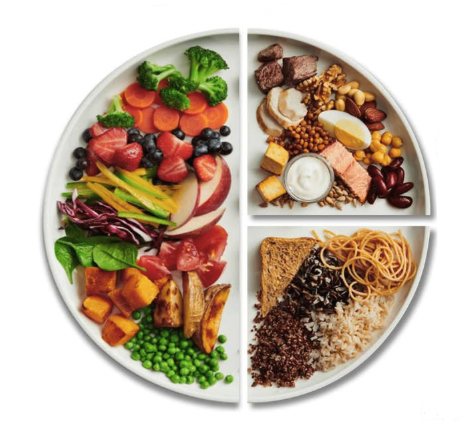
Including protein at every meal
Eating enough fibre from vegetables, fruit, legumes, nuts, and seeds
Staying hydrated
Limiting excessive alcohol
Prioritizing sleep whenever possible
Moving your body in ways that build strength and support recovery
Notice what's not on that list.
No detoxes.
No juice cleanses.
No cutting out entire food groups.
No "summer body" nonsense.
Just giving your body the resources it needs to handle life's demands.
Burnout Recovery Isn't Just Mental
When people think about burnout recovery, they often focus on rest, boundaries, and mindset.
Those things matter.
But recovery is also physical.
Your brain, hormones, muscles, bones, immune system, and nervous system all require fuel.
Nutrition won't solve burnout on its own.
But adequate nourishment can help create the foundation that makes healing possible.
Sometimes self-care isn't a bubble bath.
Sometimes it's eating lunch before 3 p.m.
And if you're a woman navigating burnout while also moving through perimenopause or menopause, that simple act of nourishment may be more important than you realize.
**Disclaimer: I'm a yoga teacher and retreat host, not a physician. The information in this article is intended for educational purposes only and is not medical advice. If you have questions about your health, nutrition, hormones, perimenopause, menopause, or burnout symptoms, please consult your doctor or a qualified healthcare professional.